
Uncategorized
DMT Carts: Risks, Reality, and Safer Decisions
Sep
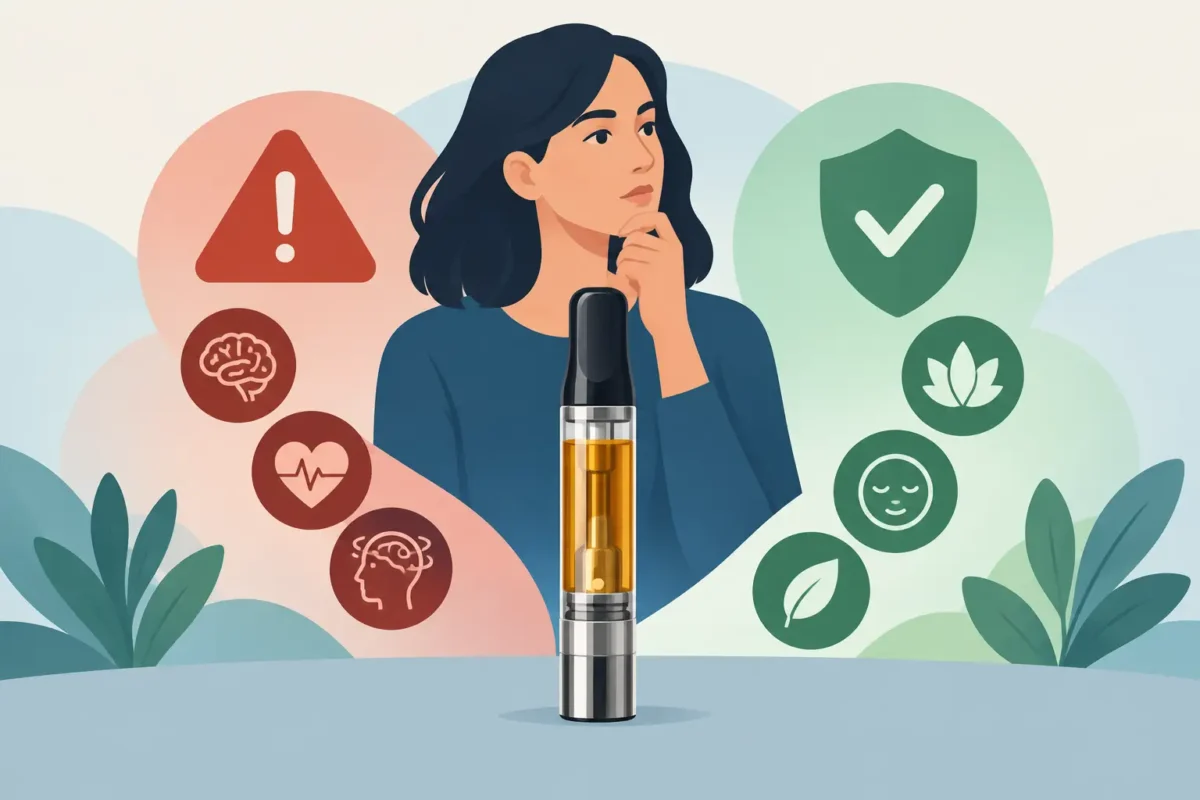
A cartridge can look ordinary, fit familiar hardware, and still contain far more uncertainty than buyers expect. DMT carts are marketed in some spaces as a convenient route to an intense psychedelic experience, but convenience does not equal predictability. The contents, strength, contaminants, device quality, and legal exposure can all vary sharply from one cartridge to the next.
That matters because DMT is not a casual substance simply because it may be sold in a small vape-style format. Experiences can begin quickly, feel overwhelming, and leave little room to reassess once effects are underway. Anyone encountering information about these products deserves clear facts, not hype, vague purity claims, or pressure to act fast.
What Are DMT Carts?
The term generally refers to vaporizer cartridges represented as containing N,N-DMT, a powerful psychedelic compound. Some products may instead be advertised as containing 5-MeO-DMT, which is a different substance with its own risk profile and may be especially dangerous when mixed with certain medications or other drugs. Names, labels, and online descriptions are not proof of identity.
A cartridge can also contain a mixture of solvents, flavoring agents, thinning ingredients, residual processing chemicals, or compounds that are not listed at all. Without independent, batch-specific laboratory analysis from a credible source, a label is a claim – not confirmation. Attractive packaging, a QR code, a strain name, or a seller’s “tested” language cannot by themselves establish what is inside.
The vape format can create a misleading impression of control. It may look similar to nicotine or cannabis products, yet the psychological effects associated with DMT can be radically different. A person may experience profound perceptual changes, disorientation, fear, panic, confusion, or a temporary inability to communicate clearly.
Why Product Uncertainty Is the Central Risk
With unregulated psychoactive cartridges, uncertainty is not a minor detail. It is the issue. Potency can differ across batches, and the amount delivered can be influenced by the cartridge design, battery output, oil viscosity, storage conditions, and device failure. Even two products that look identical may not produce comparable effects.
Adulteration adds another layer. Some substances that circulate under psychedelic labels have different onset times, durations, and medical risks than the compounds buyers expect. A person who thinks they know what they are taking may make decisions based on false assumptions, including whether it is safe to combine with alcohol, cannabis, stimulants, antidepressants, or prescription medications.
There are also basic inhalation concerns. Poor-quality hardware can leak, burn material unevenly, or introduce unwanted compounds when heated. A cart that tastes unusually harsh, has an unfamiliar chemical odor, leaks heavily, changes color dramatically, or causes unexpected respiratory irritation should not be treated as normal. Those signs do not diagnose what is wrong, but they do signal uncertainty worth taking seriously.
DMT Carts and Mental Health Considerations
Psychedelic experiences can amplify what a person is already carrying. Stress, grief, sleep deprivation, anxiety, conflict, and an unsafe setting may all shape an experience in difficult ways. For some people, the rapid onset associated with inhaled products can make distress feel even more intense because there is little time to adjust.
People with a personal or family history of psychosis, schizophrenia-spectrum conditions, bipolar disorder, or severe dissociation should be particularly cautious. Psychedelics may worsen symptoms or contribute to destabilization in vulnerable individuals. This is not about judging anyone’s interest in altered states. It is about recognizing that “natural,” “spiritual,” or “plant-based” marketing language does not erase psychiatric risk.
Medication interactions deserve real attention too. Certain psychiatric medications, stimulants, and drugs that affect serotonin or blood pressure can complicate the picture. 5-MeO-DMT in particular has been associated with serious risks when combined with MAOI drugs and other substances. A qualified clinician or pharmacist is a safer source for interaction questions than social media comments, product pages, or anonymous chat messages.
Legal Status Is Not Marketing Copy
In the United States, DMT is generally classified as a Schedule I controlled substance under federal law. State and local laws can differ in enforcement priorities or narrow policy details, but that does not make possession, distribution, or shipping risk-free. Claims that a product is “legal,” “research only,” or “for spiritual use” should not be accepted as a legal defense.
Legal consequences can extend beyond a purchase itself. They may involve shipping, employment policies, housing rules, travel, professional licensing, family matters, or interactions with law enforcement. The details depend on location and circumstance, which is exactly why sweeping nationwide legality claims are unreliable.
If legal status matters to your decision, check current law through a qualified local legal resource. Do not rely on a storefront’s product description to explain criminal statutes, and do not assume that a discreet package changes the legal situation.
If Someone Is Considering a Psychedelic Experience
The lowest-risk choice is not to use an unknown psychoactive product. For adults who may choose to proceed despite the risks, practical safety decisions can still reduce the chance that a frightening situation becomes a medical emergency.
Avoid combining psychoactive substances. Mixing drugs makes effects harder to predict and can increase risks related to anxiety, impaired judgment, accidents, heart rate, blood pressure, nausea, and breathing. Alcohol and other intoxicants can also make it harder for someone nearby to recognize a problem early.
Do not be alone, drive, swim, use heights, handle weapons, or place yourself in any setting where sudden confusion could lead to injury. A sober, trusted person who understands the possibility of an intense altered state is safer than trying to manage an unpredictable experience in secret. Privacy may feel important, but isolation can become dangerous when someone is distressed, unconscious, vomiting repeatedly, or unable to communicate.
Set aside time afterward as well. Some people feel emotionally raw, confused, anxious, or unsettled after a powerful experience. Sleep, hydration, food, quiet surroundings, and a conversation with a grounded person can help. If difficult thoughts or perceptual changes persist, seek support from a mental health professional who can respond without shaming you.
When to Get Emergency Help
Do not wait for certainty if someone is in danger. Call 911 or seek urgent medical help for chest pain, trouble breathing, seizures, loss of consciousness, blue or gray lips, severe overheating, repeated vomiting with confusion, extreme agitation, violent behavior, or behavior that creates an immediate risk of injury.
Emergency responders need accurate information to provide appropriate care. If it is safe to do so, tell them what substance may have been involved, when it was used, and whether alcohol, medications, or other drugs were also present. Their immediate job is medical stabilization, not moral judgment.
A person experiencing panic but no immediate medical emergency may benefit from a quieter environment, simple reassurance, reduced stimulation, and a calm sober presence. Avoid arguing about what they are seeing or feeling. Speak slowly, remind them they are not alone, and focus on getting through the next few minutes safely. If panic escalates, confusion becomes severe, or self-harm is a concern, get professional help.
Straight Talk Before You Trust a Cartridge
The strongest warning sign in this market is certainty that comes too easily: guaranteed purity, guaranteed legality, guaranteed delivery, guaranteed enlightenment, or claims that there is no risk. No cartridge, seller, or online testimonial can guarantee how a powerful psychedelic will affect a specific person on a specific day.
Curiosity about consciousness is human. So is wanting privacy and straightforward information. But the responsible move is to keep the stakes visible: unknown contents, intense psychological effects, possible medication interactions, physical safety concerns, and real legal exposure. A small cartridge can carry a very large margin for error, and treating that margin seriously is the clearest way to protect yourself and the people around you.

