Whatsapp: +1 601 781 3034 Email: psychedelicdiscreet@gmail.com

What Online Product Testing Transparency Means
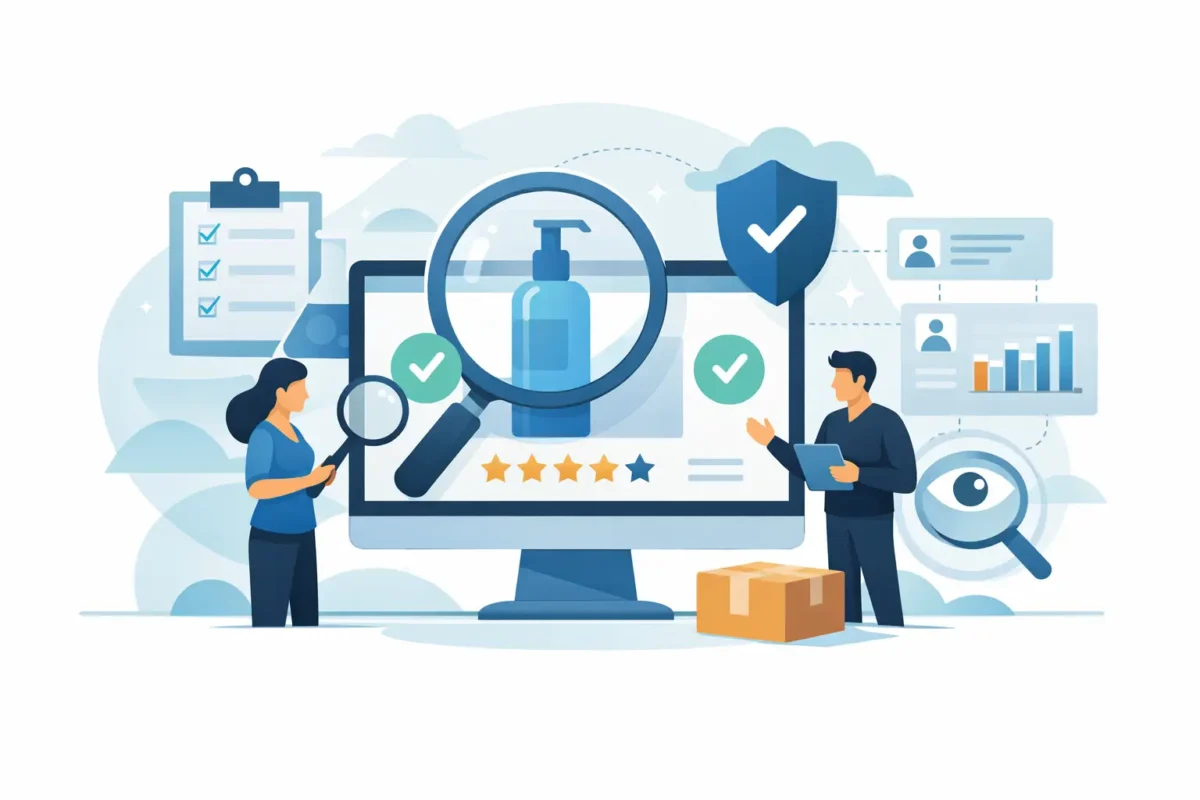
What Online Product Testing Transparency Means

A product page can make big promises. “Lab tested,” “premium,” “clean,” and “legal” may sound reassuring, but online product testing transparency means showing buyers enough real, batch-specific information to assess those claims for themselves. For products that may affect perception, mood, coordination, or health, vague reassurance is not enough.

The standard is simple: if a seller says a product was tested, a buyer should be able to see what was tested, who tested it, when it was tested, and whether the result matches the exact product and batch being offered. Anything less is marketing, not transparency.

Online Product Testing Transparency Starts With Proof

A certificate of analysis, often called a COA, can be useful. It is not automatically proof that a current item is accurately labeled or safe for every person. A meaningful report should identify the laboratory, the sample or batch number, the date of analysis, the testing method, and the substances or contaminants examined.

The batch number is where many online claims fall apart. If a listing shows a polished PDF with no matching lot number, no product identifier, or no clear connection to the inventory being sold, shoppers cannot verify that the report applies to their item. A generic report for a brand, an old report, or a report for a different formulation does not establish the quality of a current batch.

Transparency also means that inconvenient findings are not hidden. A credible report does not merely spotlight a desired compound while ignoring residual solvents, heavy metals, microbial contamination, pesticides, unexpected active ingredients, or large differences between labeled and measured amounts. What should be tested depends on the product category and the material involved. There is no single universal panel that proves every product is clean.

What a Useful Lab Report Should Show

A real report should be readable without requiring blind trust. The laboratory name should be present, along with a report number or sample ID that can be confirmed through the lab when possible. The product name, lot number, and analysis date should align with the current listing, not with a product that disappeared months ago.

Results need context. A number by itself is easy to misread. The report should state units clearly, such as milligrams per unit, percentage by weight, or parts per million. It should also distinguish between “not detected,” “below the reporting limit,” and “not tested.” Those statements do not mean the same thing.

For potency, look for the reported amount alongside the claimed amount. For contaminants, look for the specific compounds or categories tested and the limits used by the laboratory. If a seller claims a product is free of a contaminant but the report never tested for it, the claim is unsupported.

A QR code can make reports easier to access, but it is not proof on its own. QR codes can lead anywhere, including a generic folder, an expired report, or an unverified document. The information behind the code is what matters.

A Report Is Only One Part of the Picture

Testing offers a snapshot of the sample sent to a lab. It cannot guarantee that every unit in a production run is identical, that the product was stored properly afterward, or that it is appropriate for a particular person. It also cannot replace medical guidance, especially for anyone managing a health condition, taking prescription medication, pregnant, or dealing with a history of adverse mental-health reactions.

That trade-off matters. Buyers often want a simple yes-or-no answer about whether a product is “safe.” Responsible testing cannot honestly provide that answer. It can reduce uncertainty about specific, measured factors. It cannot erase legal, health, interaction, or individual-risk concerns.

Red Flags That Deserve a Hard Pause

The loudest claims are sometimes the least useful. “Top quality” and “100% pure” do not tell a buyer what method was used, what was measured, or whether an independent laboratory handled the sample. A seller should be able to provide evidence without making customers chase private messages, disappearing social accounts, or screenshots with cropped details.

Watch for reports that lack a lab name, omit dates, use mismatched branding, show no sample identifier, or appear to be copied across unrelated products. Be cautious when a report lists only a favorable potency result but says nothing about contaminants. The same applies when a seller insists that a product is legal everywhere while providing no jurisdiction-specific explanation.

Price pressure is another warning sign. Limited inventory can be real, but urgency should never replace verification. A discount, fast-shipping promise, or crypto-payment incentive does not make a claim more credible. Privacy and convenience matter to many online shoppers, yet they should not require giving up basic proof of identity, product origin, testing, and lawful handling.

Legal Claims Need the Same Level of Scrutiny

“Legal” is not a universal product attribute. Laws can vary by federal status, state, city, country, formulation, concentration, intended use, and current enforcement policy. A product may be restricted even if a retailer uses language such as “research,” “collectible,” “botanical,” or “legal alternative.” Labels do not override applicable law.

Online product testing transparency should therefore include plain legal boundaries. Sellers should avoid suggesting that testing proves legality, because it does not. A lab can report on a sample’s composition. It cannot grant permission to possess, use, import, distribute, or sell a substance in a particular jurisdiction.

Consumers should also be skeptical of claims that a product can treat, cure, prevent, or replace care for a medical or mental-health condition. Testing may help establish what was measured in a sample. It does not establish clinical effectiveness, appropriate dosing, or suitability for self-treatment.

What Responsible Sellers Can Do Better

The strongest online stores make verification easy before payment, not only after a customer complains. They publish current, legible, lot-matched reports and update them when formulations or production batches change. They identify whether testing came from an independent laboratory, explain what the test does and does not cover, and correct errors publicly when they find them.

They also separate confidence from certainty. There is a major difference between saying, “This batch was screened for these listed analytes,” and saying, “This product is completely safe.” The first statement can be documented. The second ignores too many variables to be responsible.

Privacy deserves care as well. A transparent seller can protect customer data while still being open about product documentation and business practices. Discreet packaging should not mean secretive product information. Legitimate privacy measures and verifiable testing can exist side by side.

Questions Worth Asking Before You Trust a Claim

Before relying on a testing statement, ask whether the report identifies the exact batch, whether the laboratory and report number can be independently confirmed, and whether the panel matches the risks relevant to that product. Ask whether the report is current and whether the seller explains results in plain language instead of cherry-picking attractive numbers.

If the answer is unclear, do not fill in the gaps with hope. A professional seller should expect informed questions. Transparency is not a special favor for careful buyers. It is the baseline for making claims about quality, purity, contents, or safety.

The best next move is often the least dramatic: slow down, verify the batch, read what was actually tested, check the law where you are, and walk away from claims that cannot stand on their own.

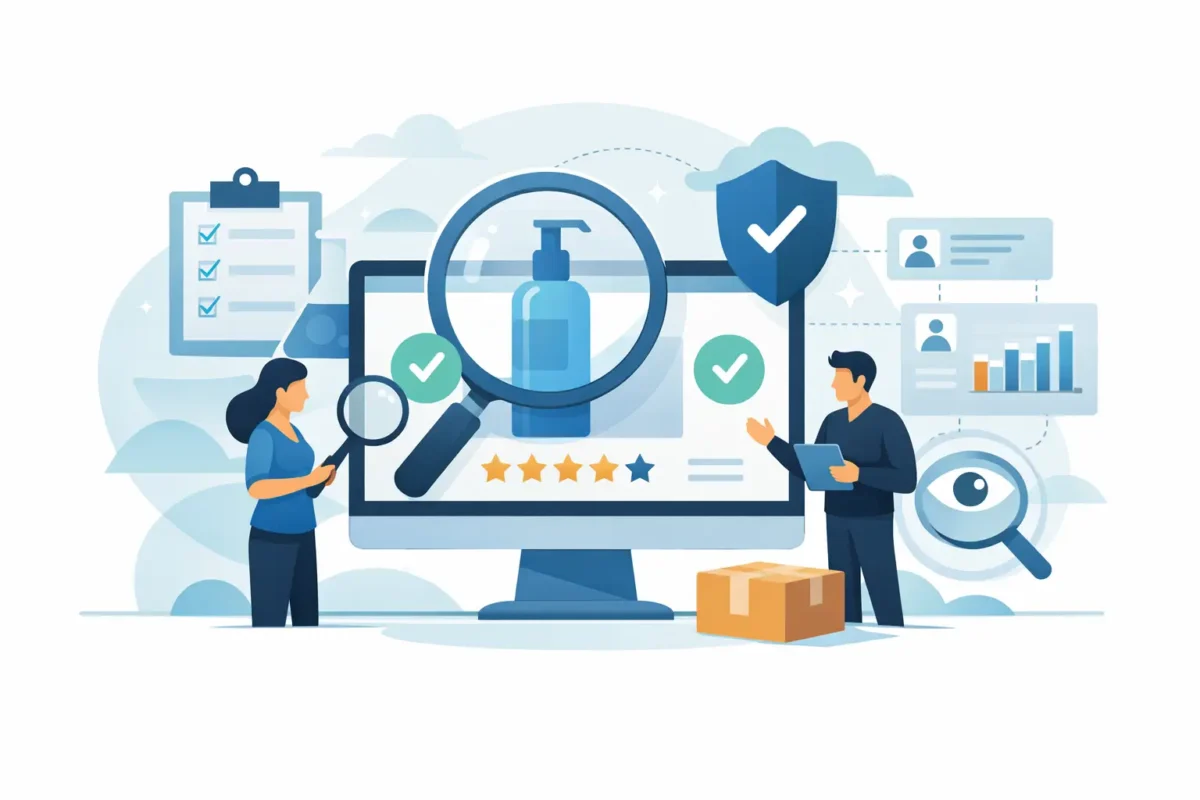
What Online Product Testing Transparency Means

What Online Product Testing Transparency Means

A product page can make big promises. “Lab tested,” “premium,” “clean,” and “legal” may sound reassuring, but online product testing transparency means showing buyers enough real, batch-specific information to assess those claims for themselves. For products that may affect perception, mood, coordination, or health, vague reassurance is not enough.

The standard is simple: if a seller says a product was tested, a buyer should be able to see what was tested, who tested it, when it was tested, and whether the result matches the exact product and batch being offered. Anything less is marketing, not transparency.

Online Product Testing Transparency Starts With Proof

A certificate of analysis, often called a COA, can be useful. It is not automatically proof that a current item is accurately labeled or safe for every person. A meaningful report should identify the laboratory, the sample or batch number, the date of analysis, the testing method, and the substances or contaminants examined.

The batch number is where many online claims fall apart. If a listing shows a polished PDF with no matching lot number, no product identifier, or no clear connection to the inventory being sold, shoppers cannot verify that the report applies to their item. A generic report for a brand, an old report, or a report for a different formulation does not establish the quality of a current batch.

Transparency also means that inconvenient findings are not hidden. A credible report does not merely spotlight a desired compound while ignoring residual solvents, heavy metals, microbial contamination, pesticides, unexpected active ingredients, or large differences between labeled and measured amounts. What should be tested depends on the product category and the material involved. There is no single universal panel that proves every product is clean.

What a Useful Lab Report Should Show

A real report should be readable without requiring blind trust. The laboratory name should be present, along with a report number or sample ID that can be confirmed through the lab when possible. The product name, lot number, and analysis date should align with the current listing, not with a product that disappeared months ago.

Results need context. A number by itself is easy to misread. The report should state units clearly, such as milligrams per unit, percentage by weight, or parts per million. It should also distinguish between “not detected,” “below the reporting limit,” and “not tested.” Those statements do not mean the same thing.

For potency, look for the reported amount alongside the claimed amount. For contaminants, look for the specific compounds or categories tested and the limits used by the laboratory. If a seller claims a product is free of a contaminant but the report never tested for it, the claim is unsupported.

A QR code can make reports easier to access, but it is not proof on its own. QR codes can lead anywhere, including a generic folder, an expired report, or an unverified document. The information behind the code is what matters.

A Report Is Only One Part of the Picture

Testing offers a snapshot of the sample sent to a lab. It cannot guarantee that every unit in a production run is identical, that the product was stored properly afterward, or that it is appropriate for a particular person. It also cannot replace medical guidance, especially for anyone managing a health condition, taking prescription medication, pregnant, or dealing with a history of adverse mental-health reactions.

That trade-off matters. Buyers often want a simple yes-or-no answer about whether a product is “safe.” Responsible testing cannot honestly provide that answer. It can reduce uncertainty about specific, measured factors. It cannot erase legal, health, interaction, or individual-risk concerns.

Red Flags That Deserve a Hard Pause

The loudest claims are sometimes the least useful. “Top quality” and “100% pure” do not tell a buyer what method was used, what was measured, or whether an independent laboratory handled the sample. A seller should be able to provide evidence without making customers chase private messages, disappearing social accounts, or screenshots with cropped details.

Watch for reports that lack a lab name, omit dates, use mismatched branding, show no sample identifier, or appear to be copied across unrelated products. Be cautious when a report lists only a favorable potency result but says nothing about contaminants. The same applies when a seller insists that a product is legal everywhere while providing no jurisdiction-specific explanation.

Price pressure is another warning sign. Limited inventory can be real, but urgency should never replace verification. A discount, fast-shipping promise, or crypto-payment incentive does not make a claim more credible. Privacy and convenience matter to many online shoppers, yet they should not require giving up basic proof of identity, product origin, testing, and lawful handling.

Legal Claims Need the Same Level of Scrutiny

“Legal” is not a universal product attribute. Laws can vary by federal status, state, city, country, formulation, concentration, intended use, and current enforcement policy. A product may be restricted even if a retailer uses language such as “research,” “collectible,” “botanical,” or “legal alternative.” Labels do not override applicable law.

Online product testing transparency should therefore include plain legal boundaries. Sellers should avoid suggesting that testing proves legality, because it does not. A lab can report on a sample’s composition. It cannot grant permission to possess, use, import, distribute, or sell a substance in a particular jurisdiction.

Consumers should also be skeptical of claims that a product can treat, cure, prevent, or replace care for a medical or mental-health condition. Testing may help establish what was measured in a sample. It does not establish clinical effectiveness, appropriate dosing, or suitability for self-treatment.

What Responsible Sellers Can Do Better

The strongest online stores make verification easy before payment, not only after a customer complains. They publish current, legible, lot-matched reports and update them when formulations or production batches change. They identify whether testing came from an independent laboratory, explain what the test does and does not cover, and correct errors publicly when they find them.

They also separate confidence from certainty. There is a major difference between saying, “This batch was screened for these listed analytes,” and saying, “This product is completely safe.” The first statement can be documented. The second ignores too many variables to be responsible.

Privacy deserves care as well. A transparent seller can protect customer data while still being open about product documentation and business practices. Discreet packaging should not mean secretive product information. Legitimate privacy measures and verifiable testing can exist side by side.

Questions Worth Asking Before You Trust a Claim

Before relying on a testing statement, ask whether the report identifies the exact batch, whether the laboratory and report number can be independently confirmed, and whether the panel matches the risks relevant to that product. Ask whether the report is current and whether the seller explains results in plain language instead of cherry-picking attractive numbers.

If the answer is unclear, do not fill in the gaps with hope. A professional seller should expect informed questions. Transparency is not a special favor for careful buyers. It is the baseline for making claims about quality, purity, contents, or safety.

The best next move is often the least dramatic: slow down, verify the batch, read what was actually tested, check the law where you are, and walk away from claims that cannot stand on their own.

Leave a Reply

Your email address will not be published. Required fields are marked *

WhatsApp chat